LASIK for Farsightedness: What an Eye Surgeon Checks Before Recommending It
LASIK is often associated with nearsightedness, but it can also treat farsightedness (hyperopia) in suitable patients. Treating hyperopia works differently and has narrower limits, so surgeons look at several extra factors before recommending it. Here is what they check and why.
At a glance
- Hyperopic LASIK steepens the central cornea.
- Dilated refraction reveals the full prescription.
- Age and presbyopia strongly influence the plan.
01 What farsightedness is
In hyperopia, the eye focuses light behind the retina, usually because it is slightly short or the cornea is relatively flat. Young people can often compensate by focusing harder, but this becomes tiring and less effective with age, leading to eye strain and blurred near vision. Many people with mild hyperopia do not realise they have it until their late 30s or 40s, when symptoms appear. Headaches after reading and tired eyes in the evening are common signs. Some people notice blurred distance vision too as they age. Reading glasses that used to help may stop being enough as the condition progresses with age.
02 How hyperopic LASIK works
To add focusing power, the excimer laser removes tissue in a ring around the centre of the cornea, making the centre steeper. This needs a larger treatment zone than myopic correction and very careful centration on the visual axis. Your surgeon will explain how the planned zone fits within your corneal diameter. This wider zone requires enough corneal diameter and careful planning. Your surgeon checks both before recommending treatment. The amount of tissue removed is smaller than in many myopic treatments, but its placement is more demanding.
03 Revealing hidden hyperopia
Because young eyes can mask part of their hyperopia, surgeons usually perform a cycloplegic refraction with drops that temporarily relax focusing. Planning from an incomplete measurement can leave you under-corrected and still straining. Expect your near vision to be blurred for several hours after these drops are used. Many clinics repeat this test on a separate day. Consistent results increase confidence in the plan. Without this step, results can be disappointing and an enhancement may be needed sooner.
04 Corneal curvature limits
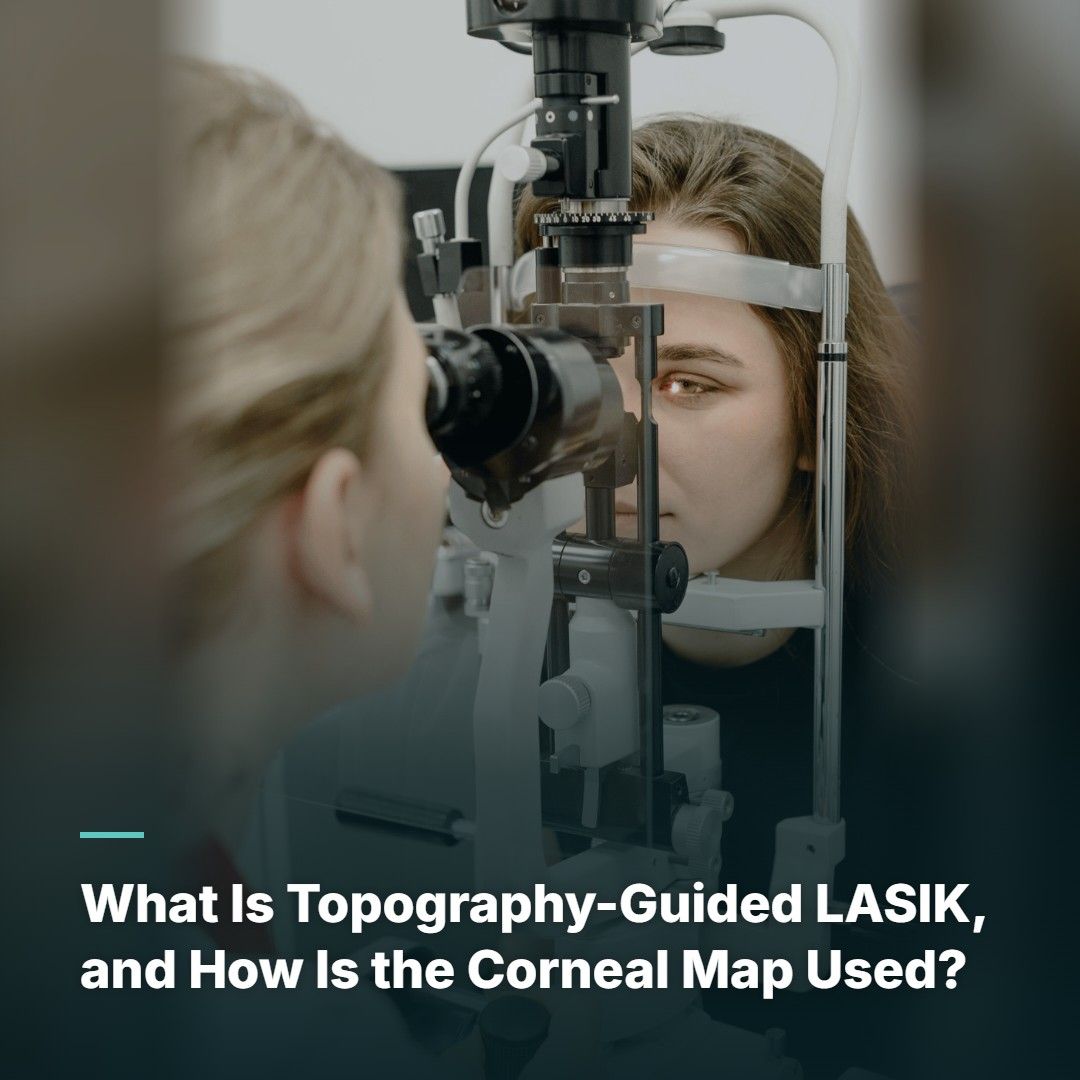
Since treatment steepens the cornea, a cornea that is already steep may not tolerate much more. Surgeons check curvature carefully and set limits to avoid an overly steep shape that could reduce vision quality. Your corneal curvature readings appear on the topography printout, so ask to see them. These limits are set to protect vision quality. Ask how close your eyes are to them. A very steep result can cause distortion, so the plan stays within conservative limits.
05 Regression over time
Hyperopic corrections tend to regress more than myopic ones, meaning some of the effect may fade over the years. This is one reason many surgeons are cautious with higher amounts of hyperopia. Ask how much regression the surgeon typically sees and how it would be managed. Some clinics include an enhancement period to address this. Read the policy carefully. Understanding this possibility upfront makes any later change less of a surprise.
06 Age and near vision
Many farsighted people seek treatment in their 40s, when presbyopia makes reading harder. LASIK can correct distance hyperopia but does not stop presbyopia, so reading glasses or monovision may still be part of the plan. A contact lens trial can help you decide whether monovision would suit your daily routine. Your daily tasks will shape which option works best. Discuss reading, screens and driving honestly. Monovision can reduce reliance on readers, but it is not suitable for everyone.
07 When lens-based options are considered
In older patients, especially those with early lens changes, lens-based procedures may offer more lasting results than corneal laser. Your surgeon will explain whether this applies to you and why. This is particularly relevant if your prescription has been shifting in recent years. Refractive lens exchange is one such option. It also addresses future cataract. Your age, lens clarity and goals all feed into this recommendation.
08 Other checks before surgery
Farsighted eyes can have shallower front chambers, so the eye's anatomy and drainage angle are reviewed. Dry eye, corneal thickness and overall eye health are assessed as for any refractive procedure. These checks protect both your result and your long-term eye health. Telling your surgeon about any history of eye pressure problems is important. It helps them plan safely. Thorough screening reduces the chance of unexpected problems after surgery.
The bottom line
LASIK can correct farsightedness, but it requires accurate dilated measurements, attention to corneal shape and an honest discussion about age and near vision. These factors decide whether it is the right choice.
This article is for general information only and does not replace an examination or personal advice from a qualified ophthalmologist.