LASIK for Astigmatism: How the Surgeon Plans the Correction
Astigmatism is one of the most common causes of blurred or distorted vision, and LASIK can correct many cases. Planning the correction involves more than copying the numbers from your glasses. A careful plan is what turns a good laser into a good result.
At a glance
- Astigmatism is corrected by reshaping one direction more than another.
- Corneal and glasses astigmatism are compared.
- Iris registration helps keep the treatment aligned.
01 What the surgeon is correcting
Astigmatism means the cornea, and sometimes the lens inside the eye, focuses light differently in two directions. LASIK reshapes the cornea so that both directions focus light at the same point. This sounds simple, but every eye's astigmatism has its own amount and direction, so the plan must be personal. Uncorrected astigmatism can cause blur at all distances, eye strain, headaches and smeared edges around lights, which is why accurate correction often makes a striking difference to everyday comfort.
02 Several ways of measuring
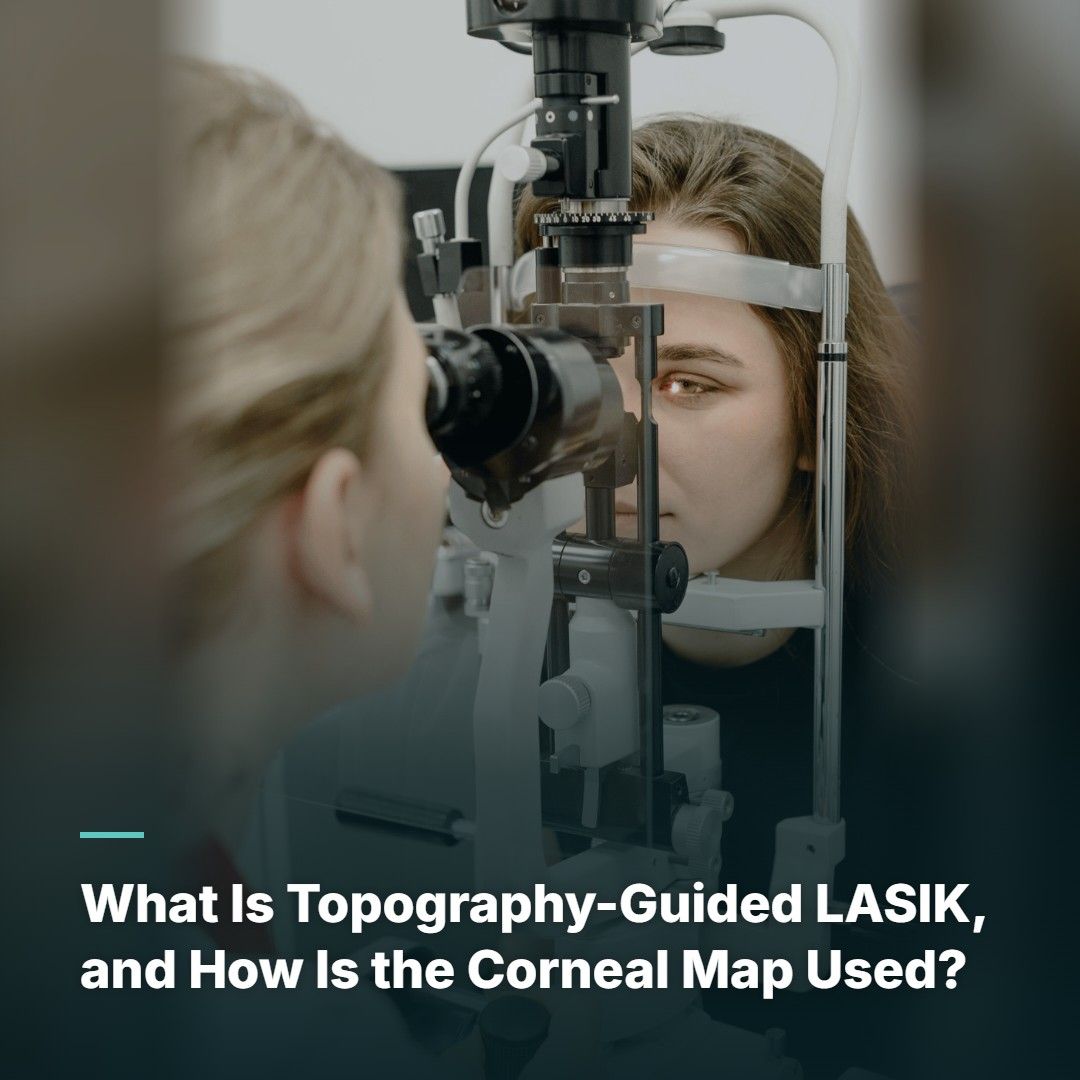
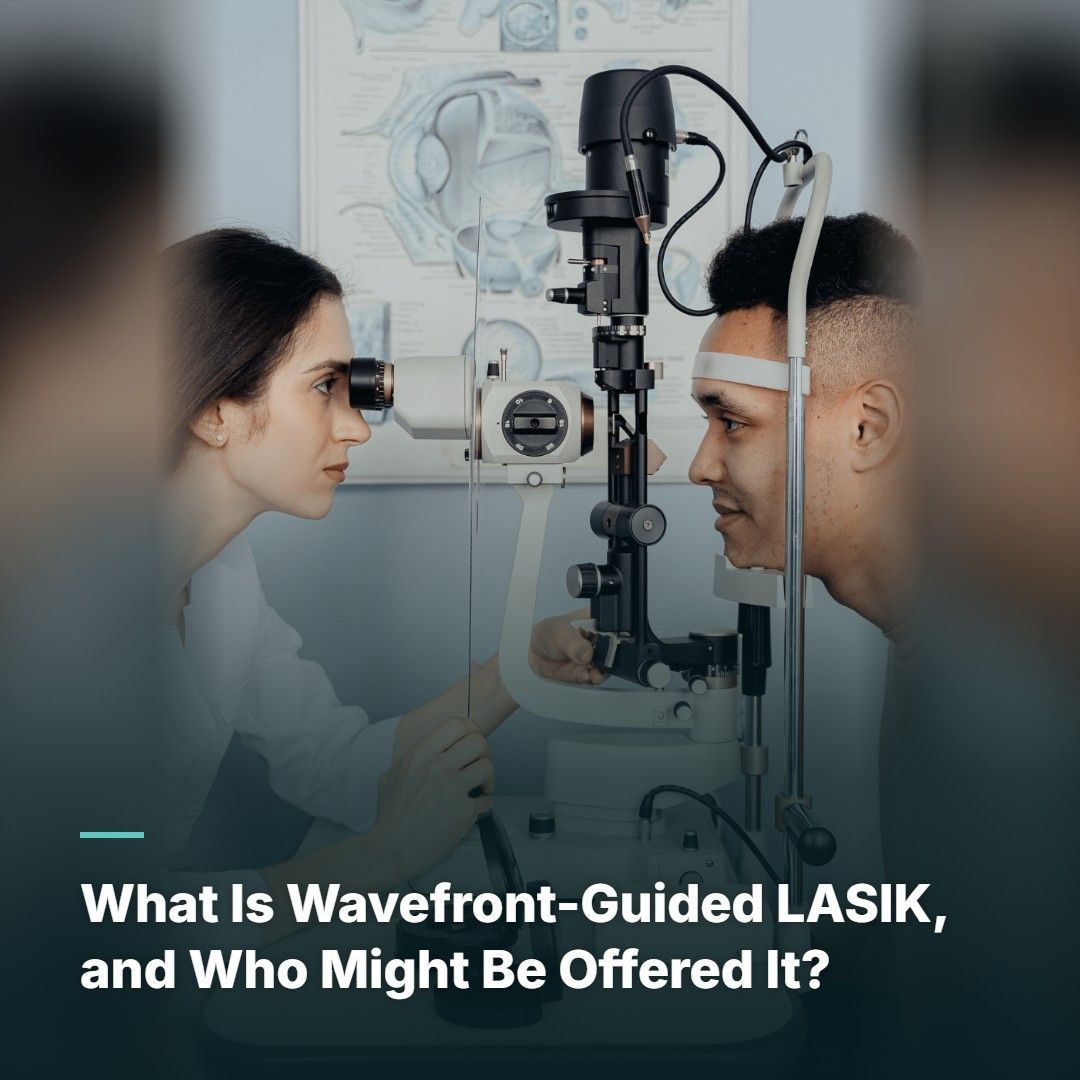
Surgeons measure astigmatism with manifest refraction, corneal topography and sometimes wavefront aberrometry. Each captures something slightly different. When they agree, planning is straightforward; when they disagree, the reasons are investigated. Your surgeon may repeat measurements on separate visits, sometimes after a period without contact lenses, to make sure the readings are consistent. Reliable data is especially important for astigmatism, because both the amount and the direction must be right for the treatment to work as intended.
03 Corneal versus total astigmatism
Part of your astigmatism may come from the natural lens rather than the cornea. The glasses prescription reflects the total, while topography shows only the cornea. Deciding which to treat requires judgement and experience. For example, if the cornea shows more astigmatism than your glasses, treating the full corneal amount could leave you with new blur. Surgeons weigh these differences carefully and may explain their reasoning using your topography map and refraction side by side.
04 Shaping the laser treatment
The excimer laser removes tissue in an elliptical pattern, flattening the steep meridian or steepening the flat one. The axis must match your astigmatism closely, as a misalignment of a few degrees reduces the correction. Modern excimer lasers deliver this pattern with great precision, and planning software checks that the tissue removal stays within safe limits for your corneal thickness. The amount of tissue needed rises with higher astigmatism, which is one reason thickness matters.
05 Keeping the treatment aligned
The eye can rotate slightly when you lie down. Iris registration recognises iris features captured during measurement and adjusts the treatment's orientation automatically. Other systems rely on reference marks placed before surgery. Some surgeons use both methods together for extra security. Either way, the aim is the same: to make sure the orientation of the treatment matches the astigmatism measured during your exam, not the slightly rotated position of the eye on the treatment bed.
06 How much astigmatism can be treated
Low to moderate regular astigmatism is commonly corrected with good predictability. Higher levels carry a greater chance of residual cylinder. Irregular astigmatism requires investigation, since it may indicate corneal disease. Irregular astigmatism behaves differently, and may be a sign of keratoconus or scarring. In those cases, standard laser correction can be unpredictable or unsafe, so further tests and a different recommendation are likely. Ask your surgeon to explain where your astigmatism falls on this spectrum.
07 Alternatives for complex cases
Thin or irregular corneas, or very high astigmatism, may lead your surgeon to suggest surface laser, topography-guided treatment or a toric implantable lens. The best option depends on your measurements rather than the cylinder value alone. A toric ICL corrects astigmatism inside the eye without removing corneal tissue, which can be valuable for high prescriptions. Topography-guided treatment may help mildly irregular corneas. Your surgeon should explain why the recommended option fits your particular combination of measurements.
08 After surgery
Astigmatism correction can take slightly longer to stabilise than simple myopic correction. Follow-up measurements check for residual astigmatism and whether any further treatment would be beneficial once healing is complete. If meaningful residual astigmatism remains once your eyes are stable, an enhancement may be discussed, provided enough corneal tissue remains. Small residual amounts often cause little difficulty and may not need any further treatment at all.
The bottom line
Correcting astigmatism with LASIK depends on accurate measurement, careful alignment and a healthy, regular cornea. A good surgeon will explain how each of these applies to your eyes. Bring your questions and old prescriptions to make the most of the consultation.
This article is for general information only and does not replace an examination or personal advice from a qualified ophthalmologist.